
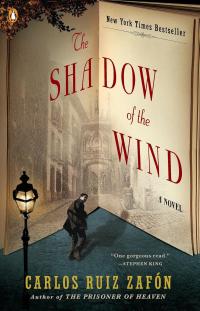
The author's postmodern mentality is reflected in an anachronistic portrayal of the characters who, under the pretext of the 'darkness of the postwar' (the Spanish Civil War), live in an antisocial, atheist, and, worst of all, hypocritical world, especially when it comes to socially well-recognized personalities or ecclesiastics.
Another striking and frequent resource is the continuous references to disordered sexual relations, described with "poetic" brevity but with explicit details. All the characters (except for a couple) go through an illicit relationship, an occasional encounter, or a cheap brothel. The priest, a friend of all the main characters, is spared from this curious stench and only falls into a monumental drunkenness...
At the core of the story lies a pessimistic view (perhaps a concession to a certain politically correct nihilism?) of existence. And although the ending is presented as 'happy', the book reflects the absolute lack of values and the denial of all belief.
In short, a gothic novel that combines multiple elements to create a literary universe formed by postwar Barcelona, youthful (and not so youthful) love-sex, easy anticlericalism —the type where I make fun of all priests and all nuns—, the corrupt police turned from pure leftism to fascism, that Paris we’ll always have, Franco's demon, and other ingredients of the style.
M.M. - T.C. (2009)