
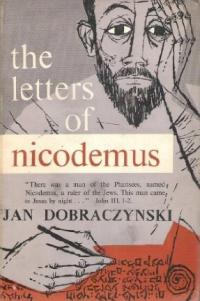
Historical and spiritual novel that imagines the story of Nicodemus, a Pharisee and a member of the Sanhedrin mentioned in the Gospel of John. The book combines biblical events with fictional elements, creating a deeply reflective narrative about faith, transformation, and the encounter with Jesus Christ.
The story is presented in the form of a letter written by Nicodemus, recounting his life, thoughts, and struggles. It explores his growing curiosity about Jesus, who challenges the traditions and expectations of the Jewish religious elite. Nicodemus initially approaches Jesus cautiously, seeking answers in private to avoid criticism from his peers.
Through his encounters with Jesus, Nicodemus undergoes a profound spiritual transformation. He wrestles with his position as a Pharisee and the demands of the Law, ultimately moving from doubt and fear to belief and conviction. His faith is tested by the increasing hostility toward Jesus, culminating in the crucifixion. Nicodemus, along with Joseph of Arimathea, takes a courageous step in claiming and burying Jesus' body, signifying his full embrace of discipleship.
The narrative delves into themes of grace, redemption, and the courage required to follow Christ in the face of societal pressure. It also highlights Nicodemus's internal conflict, portraying him as a thoughtful and relatable figure navigating the complexities of faith in turbulent times.