
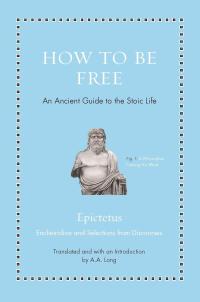
Epictetus (55–135 A.D.) affirms that to be free is to be masters of ourselves, to know how to control ourselves, and to desire only that which is within our own power to achieve. Enchiridion is his text on Stoicism. The book is a complete translation of this work and of nine fragments from the four books of the Discourses that have been preserved, written by a disciple of his based on the lessons he heard from his teacher. The original is written in Greek.
For Zeno, founder of Stoicism, the essence of freedom is wisdom—the art of living. Philosophy is what leads to serenity, imperturbability, and the acceptance of adversity in order to live in harmony with one's own nature. What is good is what is beneficial, and what is bad is what is harmful to human beings. At the center is virtue. Inner freedom is achieved by eliminating desires for what does not depend on us. It is not things that disturb people, but the judgments they form about them.
The conclusions drawn from the teachings of classical Stoic philosophy offer people peace of mind, freedom from fear, and true liberty. This text includes a glossary and a thematic index at the end, both very useful for the reader. It is truly valuable to recover the ideas of this Greek philosopher, which contain an ethics of great nobility.